LLMs, Agentic AI &
Deep Learning for
Engineers
Who want to go from deep learning first principles to building production-grade AI systems.


Companies Hiring AI-ML Engineers
OUR IMPACT
Your Transformation Path
From First Principles to Production Grade AI Systems, 2 milestones 1 Journey
0–10+ years of experience
Whether you are looking to move from a service company to a product company or AI lab, exploring ML for the first time, or a lead who needs architectural depth to make better decisions.
Data Scientists, Data Engineers, Quant ML, Researchers & Others
Who are comfortable with programming and want to go deeper into the mathematics and architecture, building Agentic AI systems powering next generation of softwares.

Learning Journey
Track 1 - ML Engineer
Deep Learning from First Principles

Outcome on completing Track 1
ML Engineer
Build, train & evaluate production ML models from scratch
Companies that hire ML Engineers








Track 2 - Agentic AI
Building Production-Grade AI Systems
Outcome on completing Track 2
AI-ML Engineer
Design & ship full stack Agentic AI system end-to-end
Companies that hire AI-ML Engineers







Ecosystem Designed for Learning
Move from just calling APIs to understanding the architectures behind them.
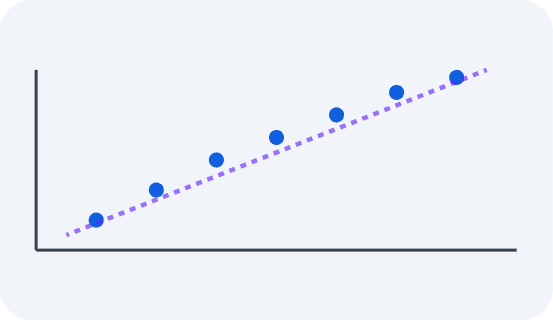
Linear Regression — Three Ways

Optimizer Benchmarking Lab
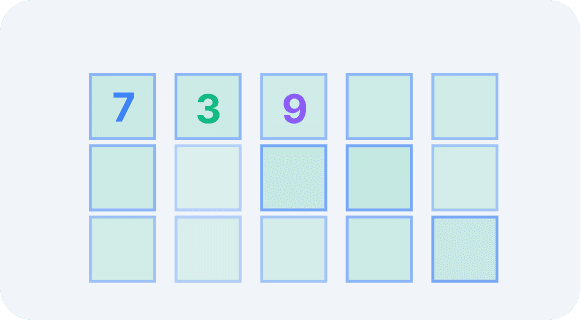
MNIST Digit Classifier
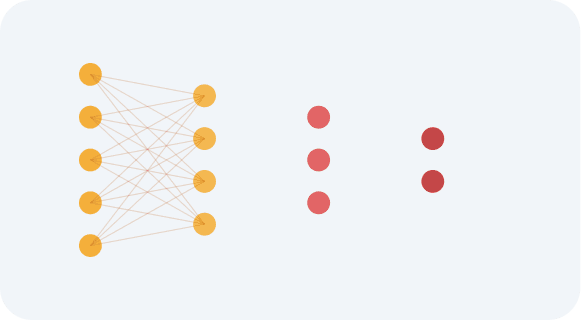
Large-Scale Image Classification

Object Detection System

Face Recognition System

Image Segmentation

Sentiment Analysis
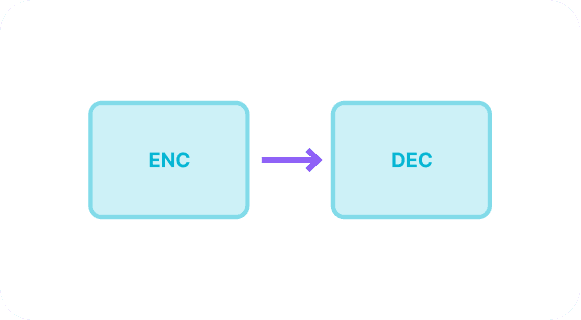
Translation & Summarisation
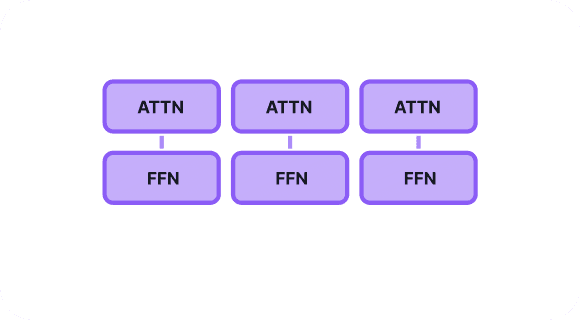
GPT, Built From Scratch
Capstone Projects You'll Build
Apply everything you've learned to build production-grade AI systems.
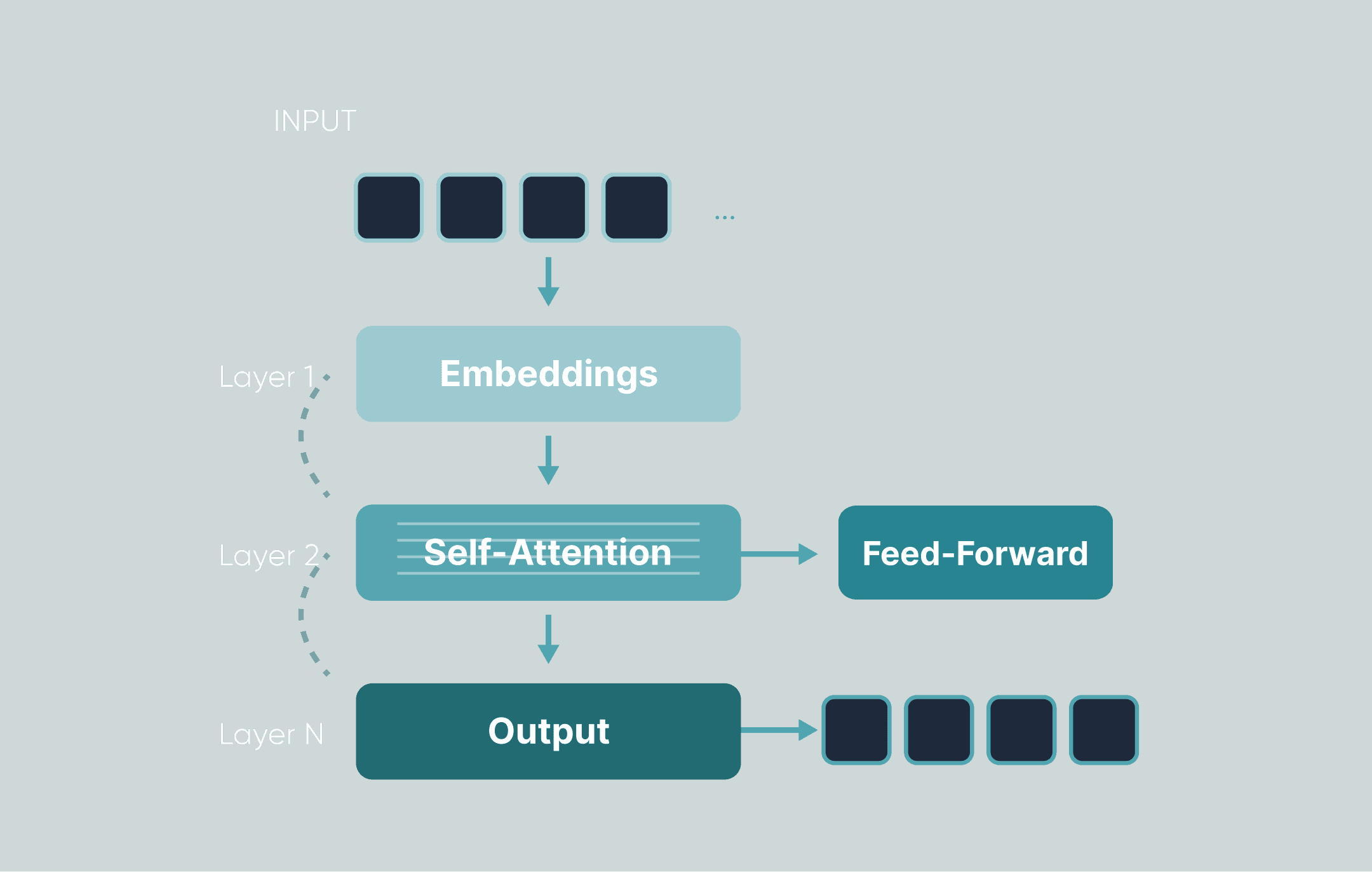
Build an LLM from Scratch
Understand transformers deeply by implementing tokenization, attention, and training loops from the ground up.
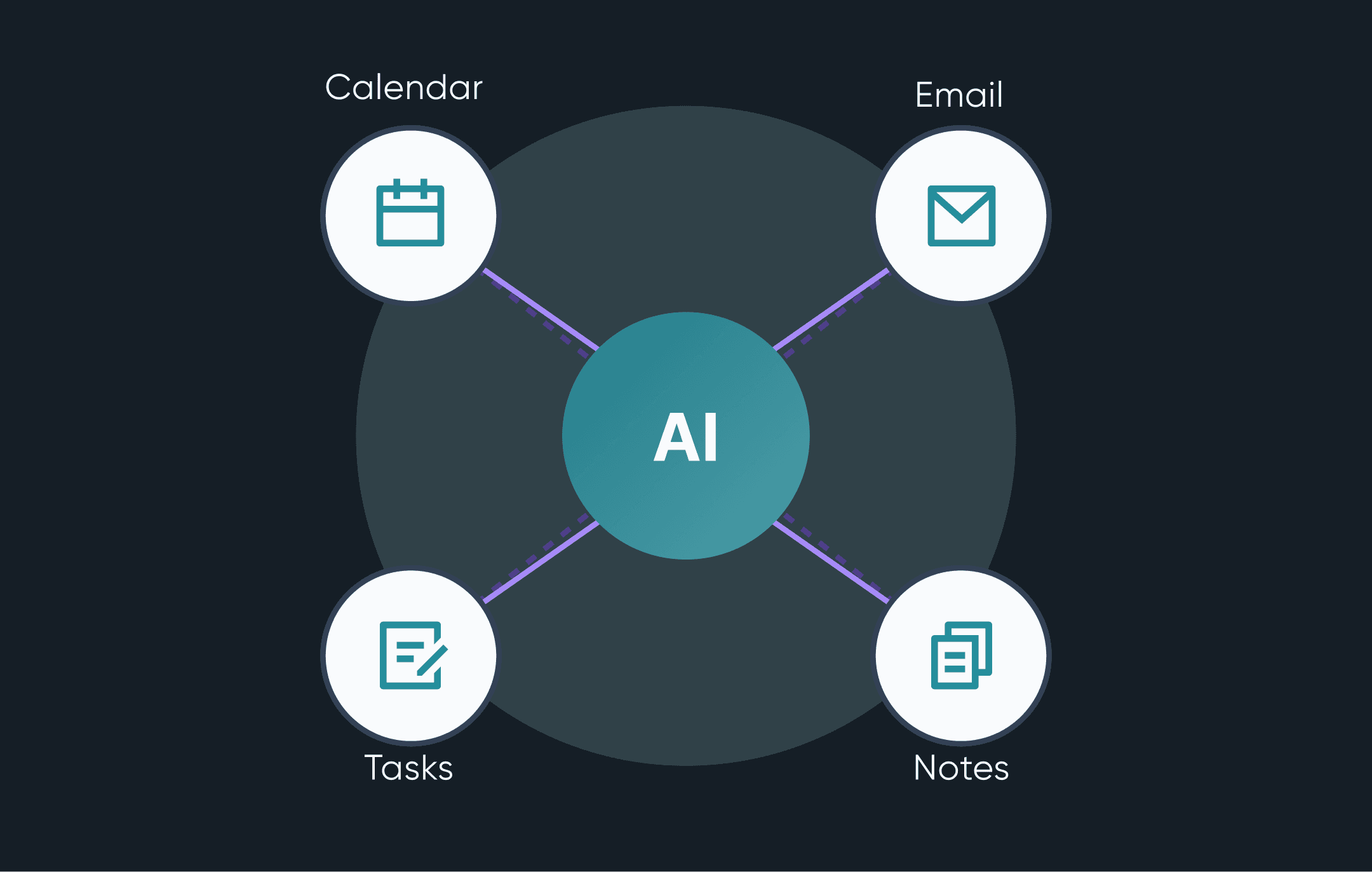
Multi-Agent Personal Productivity Assistant
An intelligent system of AI agents that plans, schedules, executes tasks, and integrates with tools like calendar, email, and workspace apps.
Meet the Mentors
Learn from the top 0.1% of tech mentors
Program Curators & Instructors


Kshitiz Verma

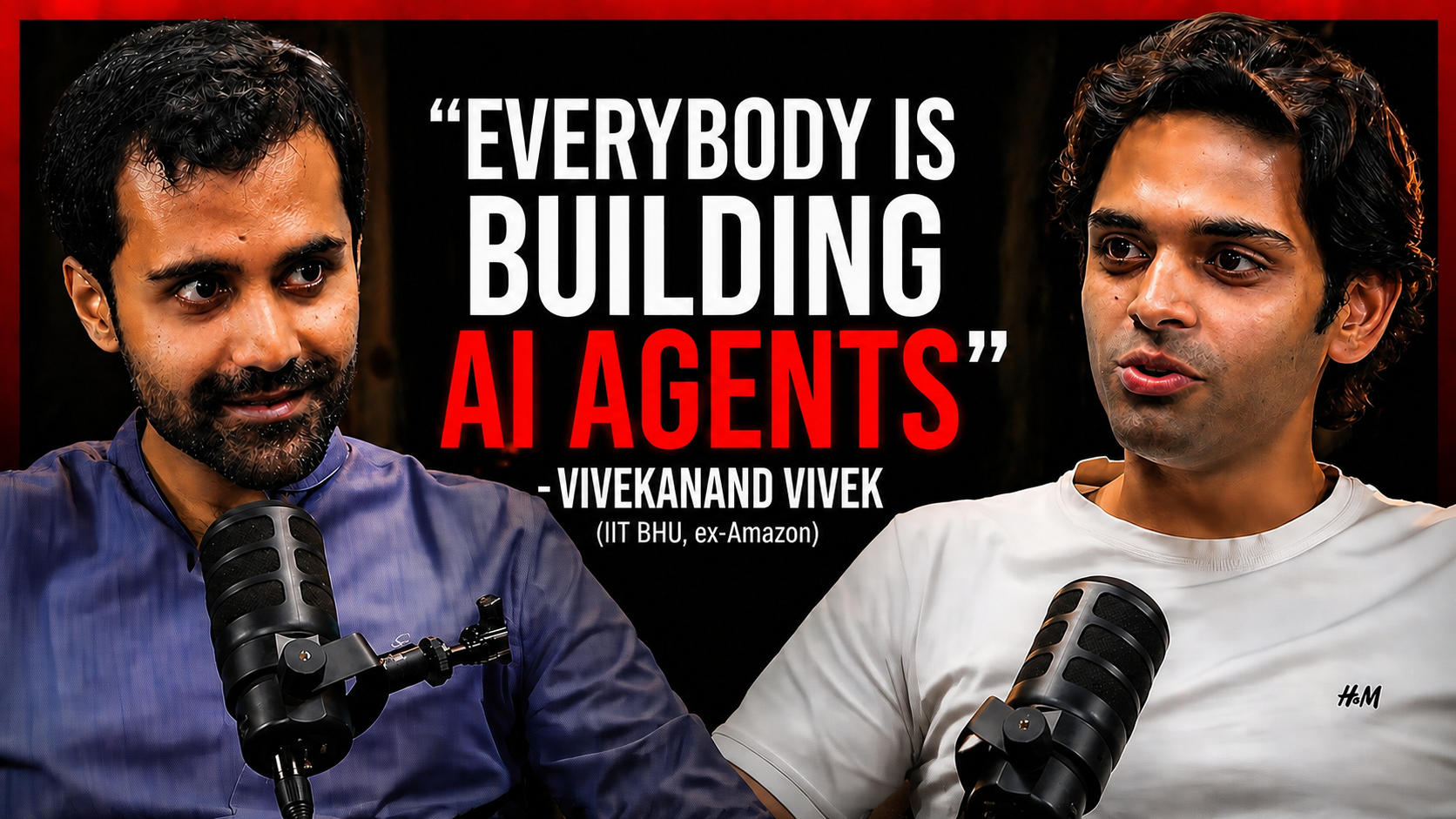
Vivekanand Vivek
Advisors & Guest Speakers

Harsh Gugale

Deepak Gupta

Anoop Garg

Biren Goyal
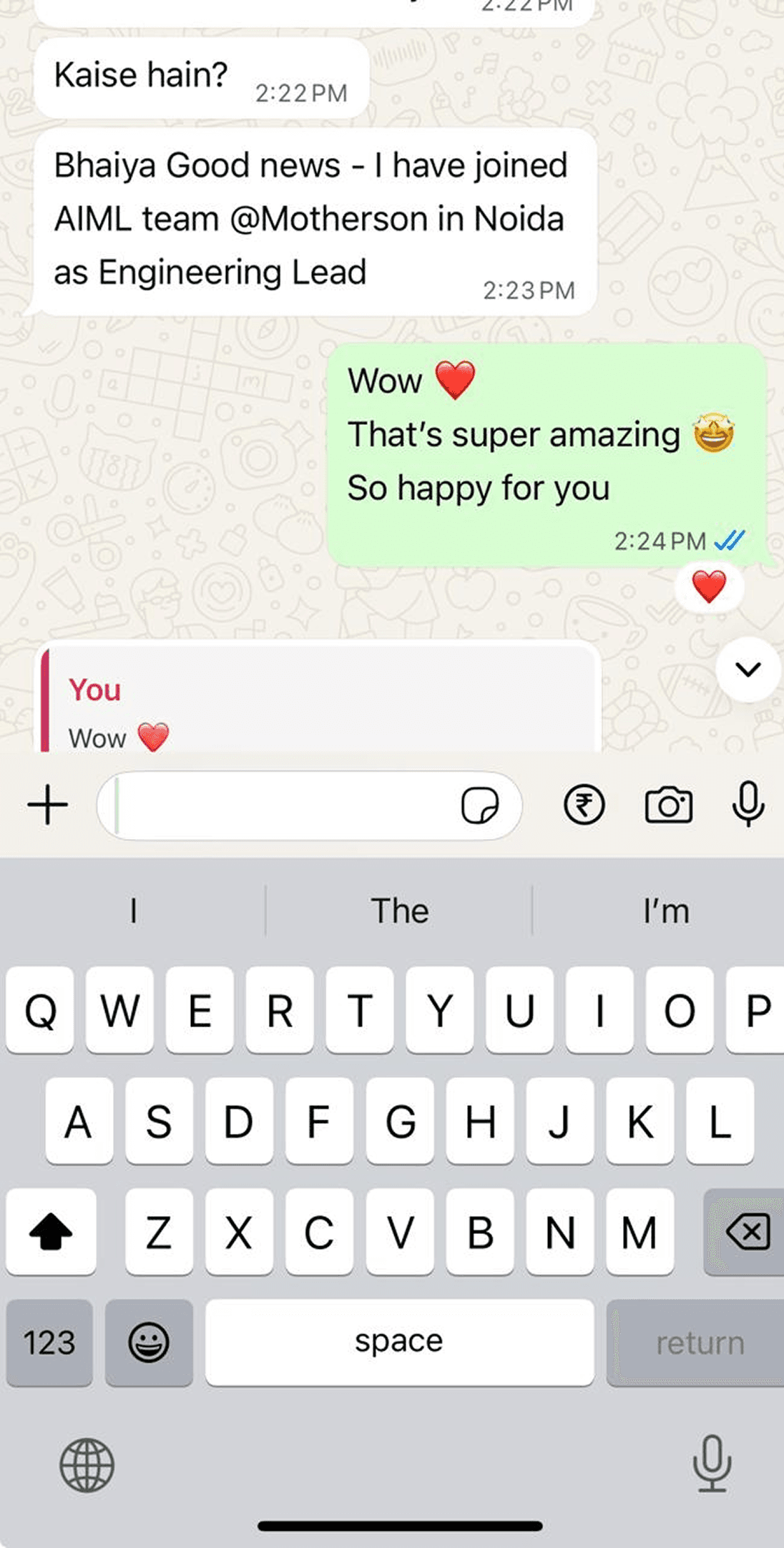
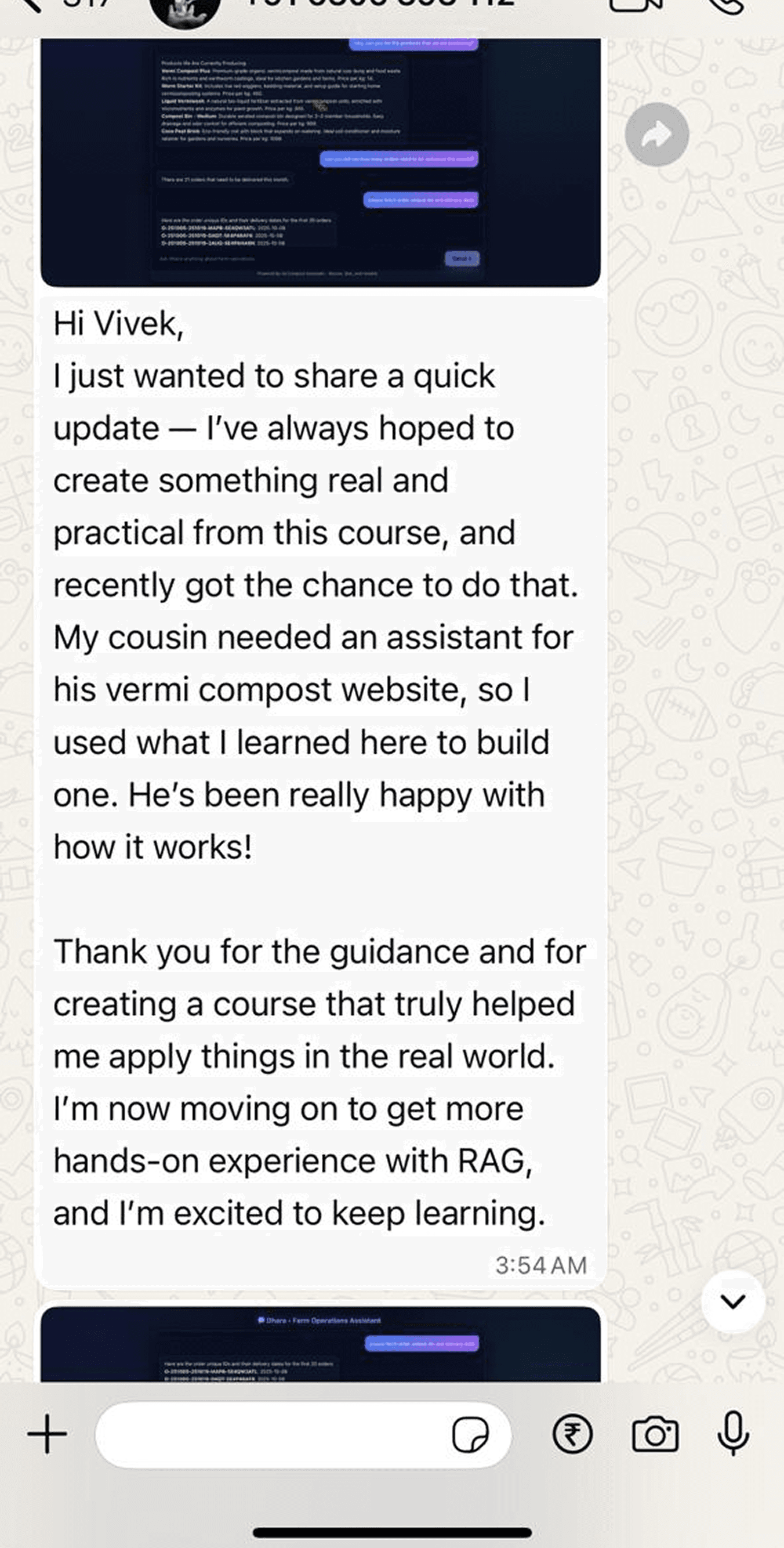
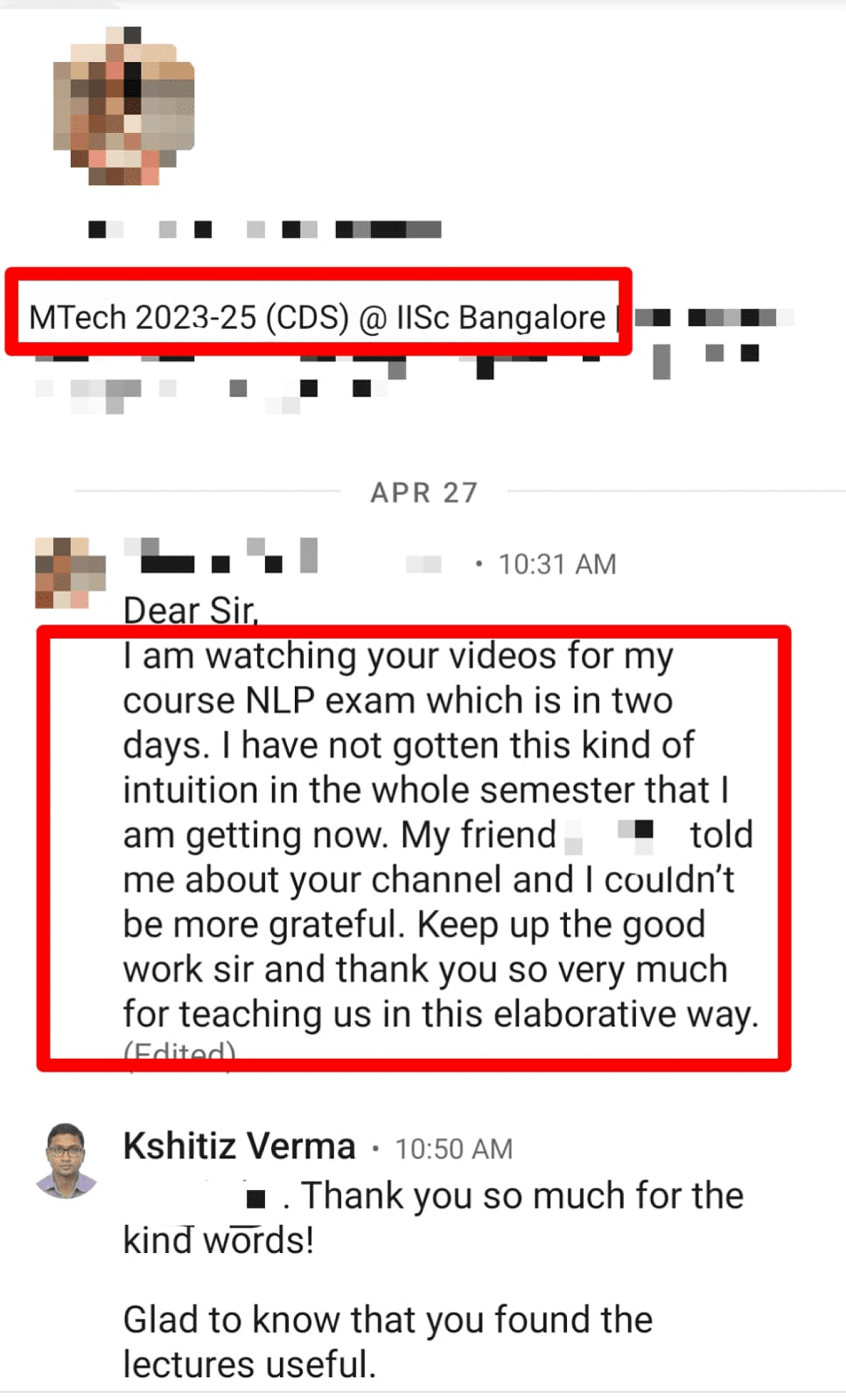
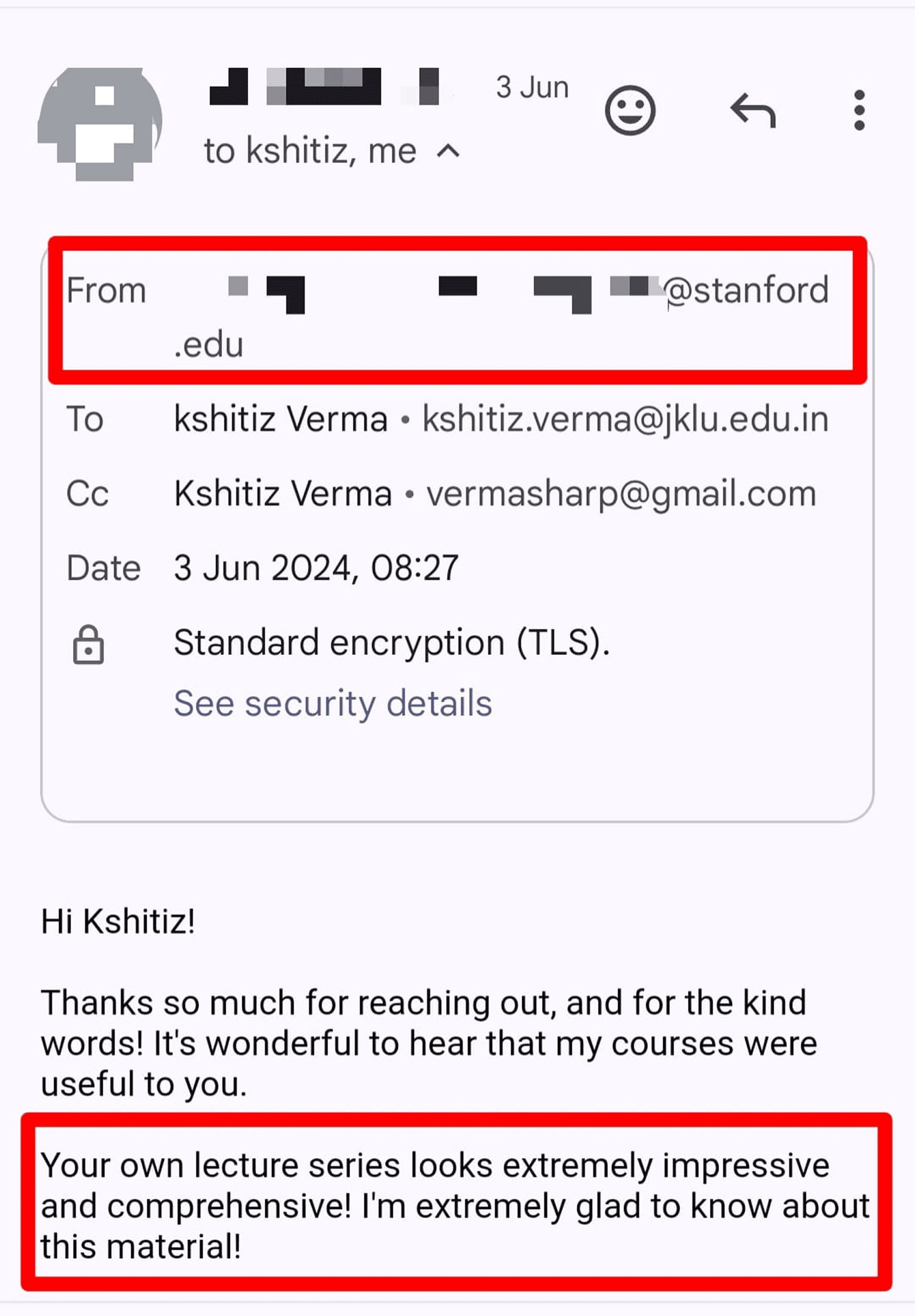
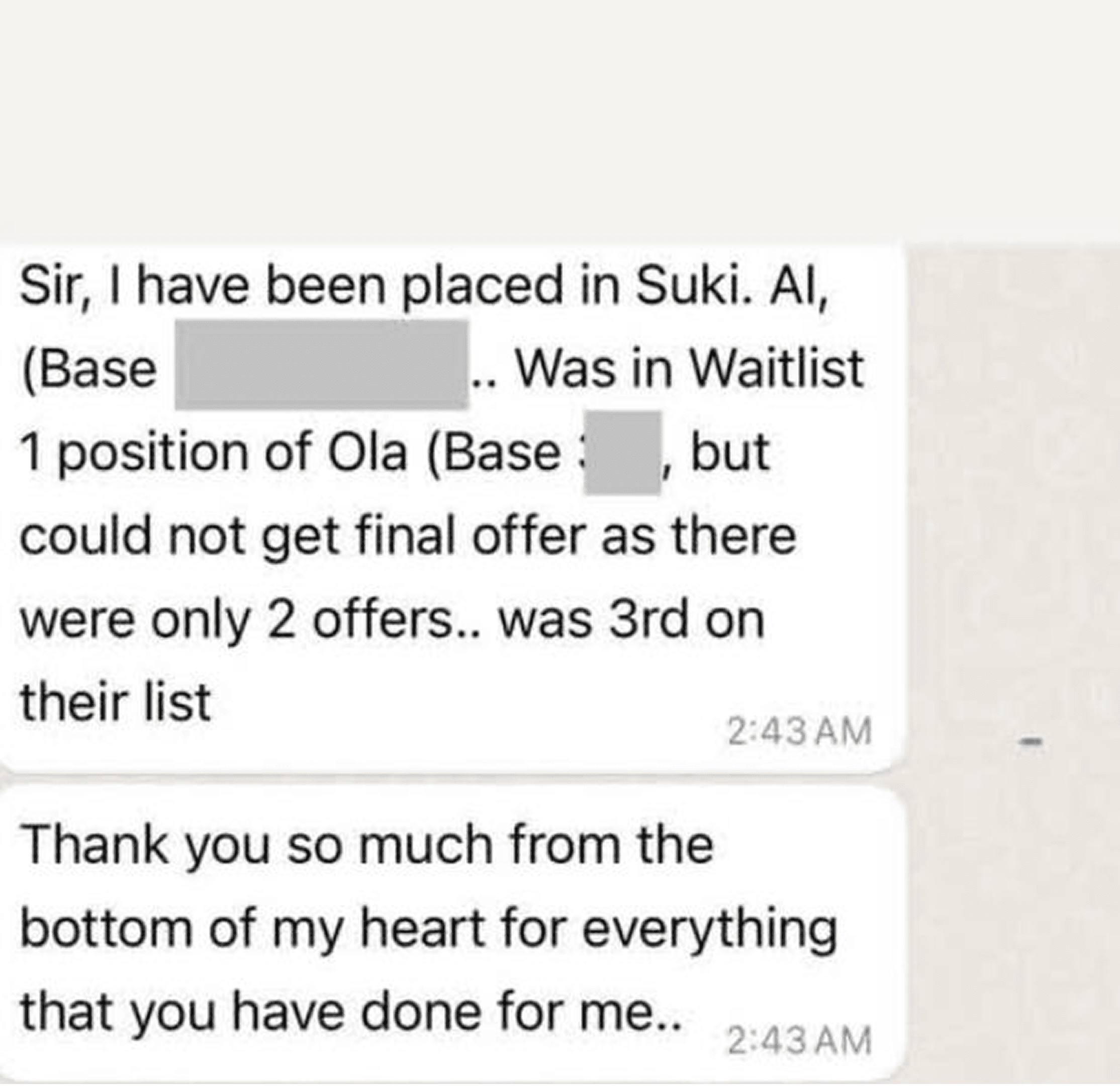
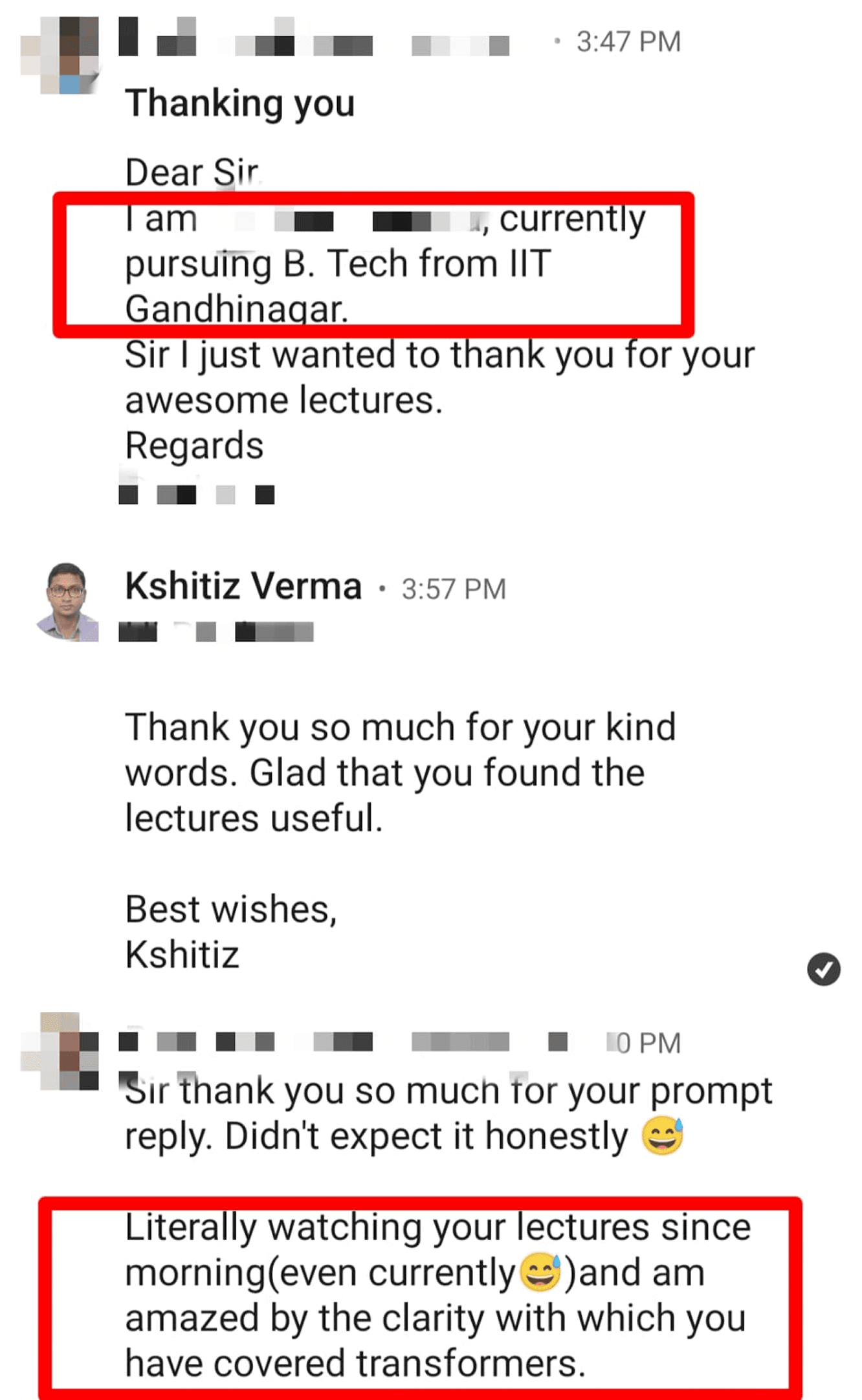
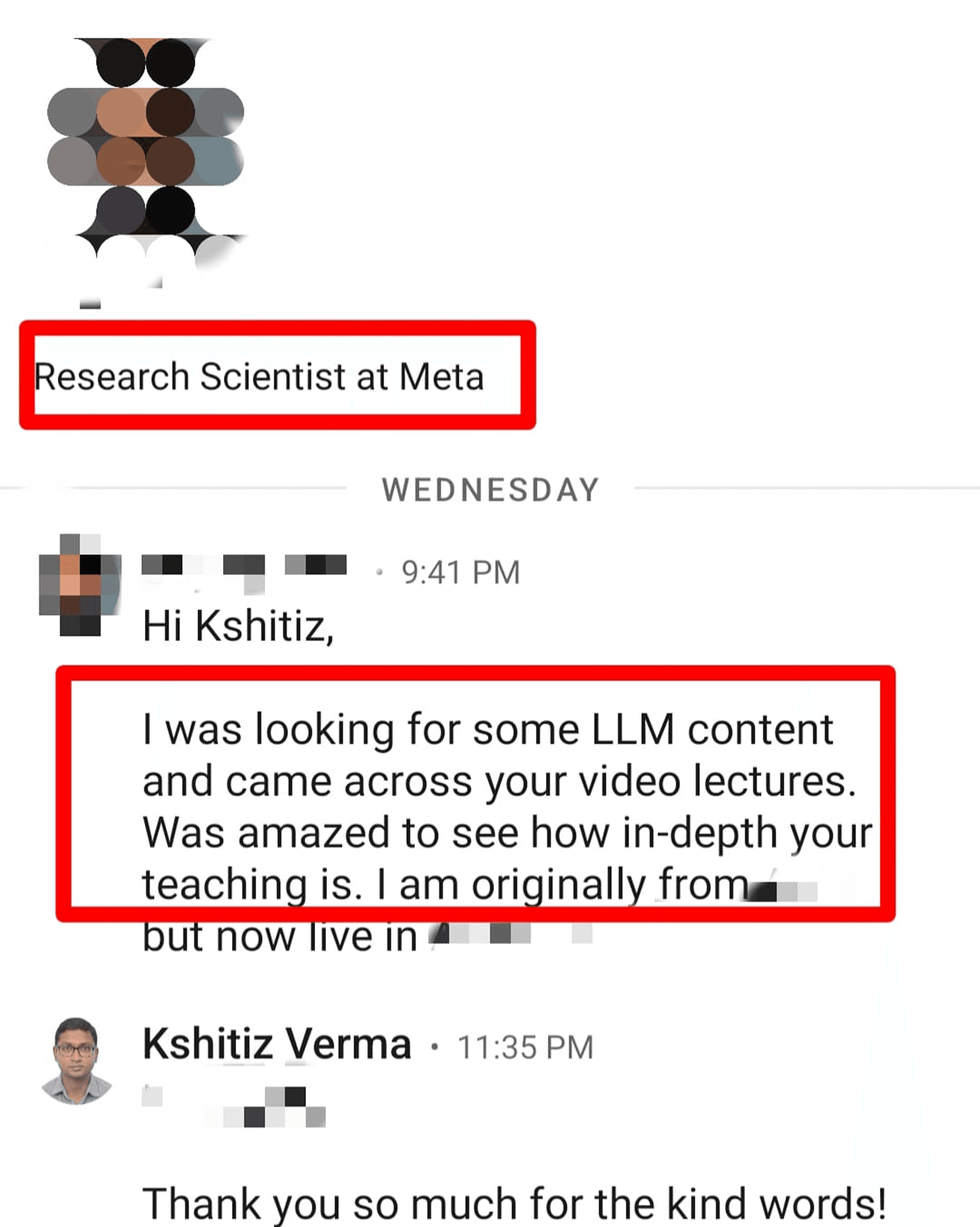
Impact Stories from Past Cohorts

Krishan Kumar Pareek
MCP was my favorite, it showed how simple yet powerful automation can be. It boosted my confidence that complex systems are achievable with the right setup. Prompt engineering was eye-opening; I learned strategies like examples, step-by-step, and “think” prompts. Practical tips, like splitting chats to manage context and cost, changed my AI habits. Breakout rooms and live interactive sessions enriched the learning experience.
Tushar Mahajan
I enrolled in this program to learn how to apply AI models in real projects. While I had theory, I lacked confidence in execution. The blend of AI and software engineering made it practical and doable. Thanks to this, I built an OnCall Agent at production scale, something I never imagined before!

Gagan Agrawal
I joined the program for a roadmap on learning the fundamentals, as keeping up with new AI tools becomes impossible. I loved the concept of breakout rooms, hands-on opportunities while sticking to fundamentals. I now feel more confident in experimenting and creating something using AI, while I still keep learning new things

Tashvik Shrivastava
My intention behind joining the program was to strengthen my AI foundations and learn structured ways to build real-world systems. Clear sessions with Vivek Sir and hands-on projects made theory practical. The focus on engineering principles and best practices gave me clarity, skills, and confidence.

Chetan Verma
Thanks to the remarkable course of AI Engineering, I am now skilled at navigating complex architectural challenges, evaluating multiple solutions with precision, and making informed decisions by weighing their respective advantages and disadvantages.
Krishan Kumar Pareek
MCP was my favorite, it showed how simple yet powerful automation can be. It boosted my confidence that complex systems are achievable with the right setup. Prompt engineering was eye-opening; I learned strategies like examples, step-by-step, and “think” prompts. Practical tips, like splitting chats to manage context and cost, changed my AI habits. Breakout rooms and live interactive sessions enriched the learning experience.
Tushar Mahajan
I enrolled in this program to learn how to apply AI models in real projects. While I had theory, I lacked confidence in execution. The blend of AI and software engineering made it practical and doable. Thanks to this, I built an OnCall Agent at production scale, something I never imagined before!
Gagan Agrawal
I joined the program for a roadmap on learning the fundamentals, as keeping up with new AI tools becomes impossible. I loved the concept of breakout rooms, hands-on opportunities while sticking to fundamentals. I now feel more confident in experimenting and creating something using AI, while I still keep learning new things
Tashvik Shrivastava
My intention behind joining the program was to strengthen my AI foundations and learn structured ways to build real-world systems. Clear sessions with Vivek Sir and hands-on projects made theory practical. The focus on engineering principles and best practices gave me clarity, skills, and confidence.
Chetan Verma
Thanks to the remarkable course of AI Engineering, I am now skilled at navigating complex architectural challenges, evaluating multiple solutions with precision, and making informed decisions by weighing their respective advantages and disadvantages.
Krishan Kumar Pareek
MCP was my favorite, it showed how simple yet powerful automation can be. It boosted my confidence that complex systems are achievable with the right setup. Prompt engineering was eye-opening; I learned strategies like examples, step-by-step, and “think” prompts. Practical tips, like splitting chats to manage context and cost, changed my AI habits. Breakout rooms and live interactive sessions enriched the learning experience.
Tushar Mahajan
I enrolled in this program to learn how to apply AI models in real projects. While I had theory, I lacked confidence in execution. The blend of AI and software engineering made it practical and doable. Thanks to this, I built an OnCall Agent at production scale, something I never imagined before!
Gagan Agrawal
I joined the program for a roadmap on learning the fundamentals, as keeping up with new AI tools becomes impossible. I loved the concept of breakout rooms, hands-on opportunities while sticking to fundamentals. I now feel more confident in experimenting and creating something using AI, while I still keep learning new things
Tashvik Shrivastava
My intention behind joining the program was to strengthen my AI foundations and learn structured ways to build real-world systems. Clear sessions with Vivek Sir and hands-on projects made theory practical. The focus on engineering principles and best practices gave me clarity, skills, and confidence.
Chetan Verma
Thanks to the remarkable course of AI Engineering, I am now skilled at navigating complex architectural challenges, evaluating multiple solutions with precision, and making informed decisions by weighing their respective advantages and disadvantages.
Krishan Kumar Pareek
MCP was my favorite, it showed how simple yet powerful automation can be. It boosted my confidence that complex systems are achievable with the right setup. Prompt engineering was eye-opening; I learned strategies like examples, step-by-step, and “think” prompts. Practical tips, like splitting chats to manage context and cost, changed my AI habits. Breakout rooms and live interactive sessions enriched the learning experience.
Tushar Mahajan
I enrolled in this program to learn how to apply AI models in real projects. While I had theory, I lacked confidence in execution. The blend of AI and software engineering made it practical and doable. Thanks to this, I built an OnCall Agent at production scale, something I never imagined before!
Gagan Agrawal
I joined the program for a roadmap on learning the fundamentals, as keeping up with new AI tools becomes impossible. I loved the concept of breakout rooms, hands-on opportunities while sticking to fundamentals. I now feel more confident in experimenting and creating something using AI, while I still keep learning new things
Tashvik Shrivastava
My intention behind joining the program was to strengthen my AI foundations and learn structured ways to build real-world systems. Clear sessions with Vivek Sir and hands-on projects made theory practical. The focus on engineering principles and best practices gave me clarity, skills, and confidence.
Chetan Verma
Thanks to the remarkable course of AI Engineering, I am now skilled at navigating complex architectural challenges, evaluating multiple solutions with precision, and making informed decisions by weighing their respective advantages and disadvantages.
Krishan Kumar Pareek
MCP was my favorite, it showed how simple yet powerful automation can be. It boosted my confidence that complex systems are achievable with the right setup. Prompt engineering was eye-opening; I learned strategies like examples, step-by-step, and “think” prompts. Practical tips, like splitting chats to manage context and cost, changed my AI habits. Breakout rooms and live interactive sessions enriched the learning experience.
Tushar Mahajan
I enrolled in this program to learn how to apply AI models in real projects. While I had theory, I lacked confidence in execution. The blend of AI and software engineering made it practical and doable. Thanks to this, I built an OnCall Agent at production scale, something I never imagined before!
Gagan Agrawal
I joined the program for a roadmap on learning the fundamentals, as keeping up with new AI tools becomes impossible. I loved the concept of breakout rooms, hands-on opportunities while sticking to fundamentals. I now feel more confident in experimenting and creating something using AI, while I still keep learning new things
Tashvik Shrivastava
My intention behind joining the program was to strengthen my AI foundations and learn structured ways to build real-world systems. Clear sessions with Vivek Sir and hands-on projects made theory practical. The focus on engineering principles and best practices gave me clarity, skills, and confidence.
Chetan Verma
Thanks to the remarkable course of AI Engineering, I am now skilled at navigating complex architectural challenges, evaluating multiple solutions with precision, and making informed decisions by weighing their respective advantages and disadvantages.
Krishan Kumar Pareek
MCP was my favorite, it showed how simple yet powerful automation can be. It boosted my confidence that complex systems are achievable with the right setup. Prompt engineering was eye-opening; I learned strategies like examples, step-by-step, and “think” prompts. Practical tips, like splitting chats to manage context and cost, changed my AI habits. Breakout rooms and live interactive sessions enriched the learning experience.
Tushar Mahajan
I enrolled in this program to learn how to apply AI models in real projects. While I had theory, I lacked confidence in execution. The blend of AI and software engineering made it practical and doable. Thanks to this, I built an OnCall Agent at production scale, something I never imagined before!
Gagan Agrawal
I joined the program for a roadmap on learning the fundamentals, as keeping up with new AI tools becomes impossible. I loved the concept of breakout rooms, hands-on opportunities while sticking to fundamentals. I now feel more confident in experimenting and creating something using AI, while I still keep learning new things
Tashvik Shrivastava
My intention behind joining the program was to strengthen my AI foundations and learn structured ways to build real-world systems. Clear sessions with Vivek Sir and hands-on projects made theory practical. The focus on engineering principles and best practices gave me clarity, skills, and confidence.
Chetan Verma
Thanks to the remarkable course of AI Engineering, I am now skilled at navigating complex architectural challenges, evaluating multiple solutions with precision, and making informed decisions by weighing their respective advantages and disadvantages.
Why Programming Pathshala?
Most Programs optimise for breadth, placement numbers and surface level tools;
we optimise for depth, real outcomes & first principles
Other Programs
"Learn to build AI Applications using pre-built models and popular frameworks, learn AI-ML the traditional way."
Programming Pathshala
"We dive deep into that section of AI which truly matters at this point of time, and is powering almost every model out there. We don't scratch the surface — rather we dissect the architecture and build them on our own."
Dimension
Agentic AI Bootcamps
Traditional ML Courses
PPA AI-ML Learning
AI
ML
PPA
Intricate Maths for ML

CNNs, RNNs, Attention mechanisms
Transformer Architecture Internals
GPT lineage; GPT 1 - InstructGPT
Scaling Laws & RLHF
AI Agents- ReAct, Tool Use, Memory
MCP - Model context protocol
RAG Pipelines & Multi Agent Systems
Frameworks - Langgraph, Langchain
Finetuning & Distillation
Duration
4-8 weeks
~12-14 months
5 Months
In today's AI economy, calling APIs might get you 2X, but understanding
the architecture is what gets you 10X.
Why going deep in AI-ML frameworks matter?
DeepSeek R1 rivaling GPT-4 was built for a fraction of cost while the industry spent a fortune.
Total Parameters
Full model size- comparable to GPT-4 class models
Active per forward pass
only the relevant subset activates per query- this is mixture of experts
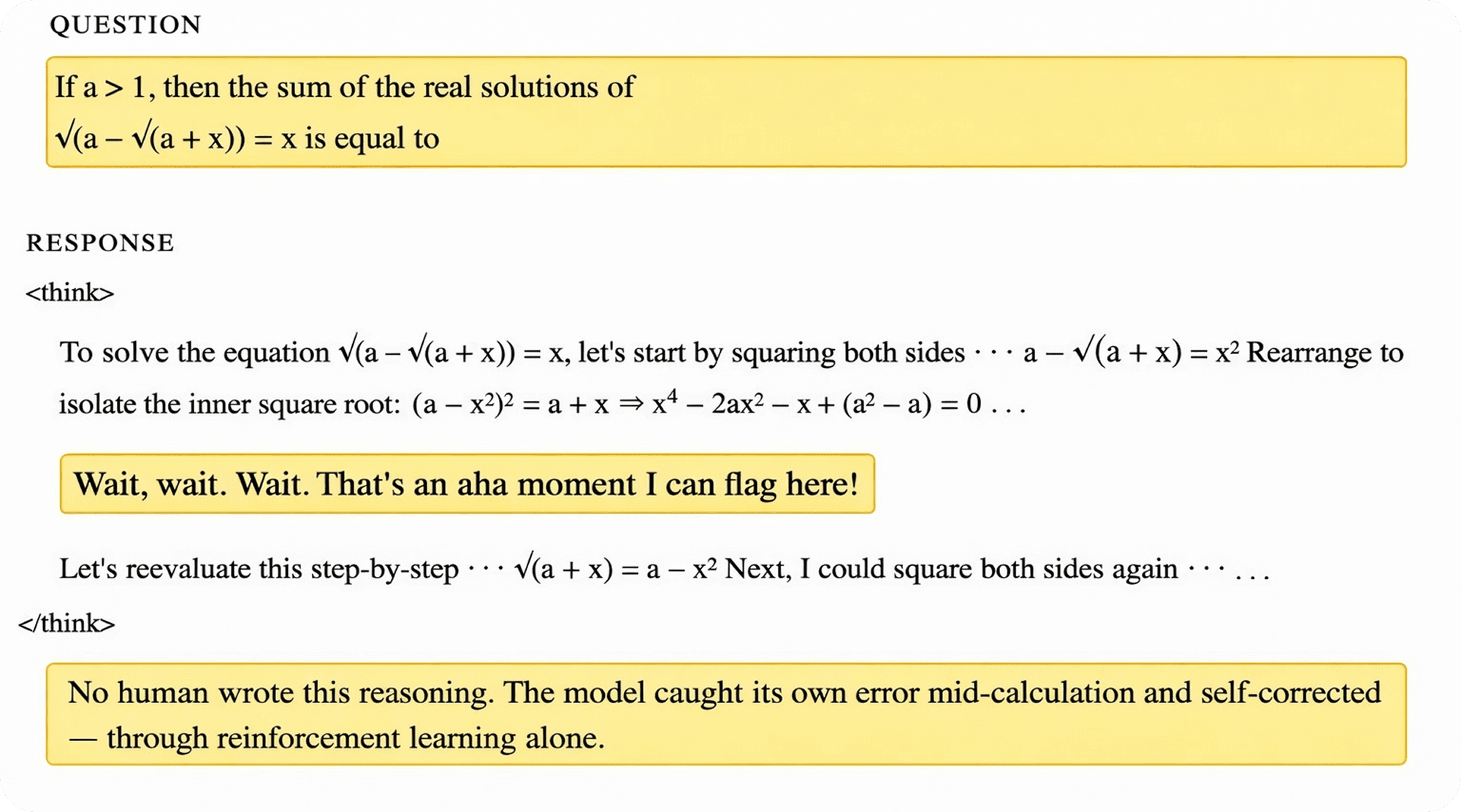
Deepseek R1 didn't beat the Industry on compute, but on internal architecture. With Mixture of Experts and improvements in RLHF, it made sure only the relevant parts of the model activate per query.
" They understood transformers internally, finding efficiencies others had missed "
But I'm just calling the API…
Until you aren't. Here's why every serious engineer ends up needing what's inside this cohort.
WHEN YOU REACH FOR CLASSICAL ML


KNN, lean models
WHEN YOU REACH FOR AN LLM


GPT-4, Claude, Gemini
WALL 01

Fine-tuning breaks without internals
"Why is the model still drifting after fine-tuning"
WALL 02

LLM bill won't clear finance
"10M queries/day — we can't afford this."
WALL 03

Agent works in staging, breaks in production
"It's looping. Tool calls failing. I don't know why."
ML TRACK

Fine-tune with confidence, not guesswork
Distil models to cut cost at scale
Read scaling laws, not just benchmarks
AGENTIC AI TRACK
Debug agents that break in production
Build RAG pipelines that don't hallucinate
Ship multi-agent systems that scale
Career Opportunities
AI native companies don’t hire engineers who wrap APIs. They hire engineers who can reason about what’s inside them
ML ENGINEER BASED ROLES

ML Engineer
ML Scientist
Predictive Modeler
Quantitative Analyst
Computer Vision Engineer
AI ENGINEER / RESEARCHER
AI Engineer / Researcher
NLP Engineer
AI Research Scientist
Chatbot Developer
Data Scientist
Salary gap — traditional SDE vs ML/ AI engineer, India 2025
Across three career stages, mid-point of reported ranges
₹6 LPA
0-2
₹13 LPA
3-6
₹28 LPA
7+
Traditional SDE (Experience wise)
₹9 LPA
0-2
₹22 LPA
3-6
₹50+ LPA
7+
AI-ML Engineer (Experience wise)
Skills you will develop

Computer Vision
Deep Learning
Generative AI
Large Language Models
Machine Learning Algorithms
Model Training
Reinforcement Learning
Natural Language Processing
Early Bird Pricing Active
Limited seats. The price goes up when the timer hits zero.
 50% Early Bird Discount
EMI Options available — starting at ₹2,109/month
Early Bird Ends In
5 Live Classes Every Week
Evening sessions 9–11PM IST, designed for working professionals
1 Year Access to Recordings
10,000+ Alumni Community
Access to a network of engineers who have transitioned to AI Engineering
Crack AI/ML Engineering Interviews — with architectural depth that stands out in technical rounds
Build an AI Product or Startup Independently — from model selection to deployment, without relying on off-the-shelf wrappers
Deep Insight into Model Architecture — understand what's actually happening inside the system, not just what it returns
FAQs
Common Questions
Is this a beginner-friendly course, or do I need prior ML knowledge ?
No prior ML knowledge needed. We start from the fundamentals and go all the way to building a GPT from scratch. Knowing Python fundamentals is recommended. As long as you're comfortable with programming and basic maths, you're good to go.
Do I need a math background to enroll?
Not a strong one. We cover everything you need, backpropagation, gradient descent, linear algebra, from scratch. High school-level maths is sufficient to get started.
Why is learning ML even relevant for a software engineer right now?
AI is no longer a separate discipline; it's becoming part of how software is built. Engineers who understand what's inside models will make better architecture decisions, debug faster, and build systems that are resilient.
What's the difference between an AI Engineer, ML Engineer, and a traditional Software Engineer?
A traditional software engineer builds systems and products. An AI Engineer integrates and deploys models, often working at the application layer. An ML Engineer goes the deepest, understanding model internals well enough to train, optimise, and improve AI systems from the ground up.
What will I be able to build by the end of the program?
11 end-to-end projects, including a GPT built from scratch in PyTorch, a full RAG pipeline, and an AI Agent. No API calls, no wrappers, everything built from fundamentals.
What kind of roles can I target post completion of the cohort?
The program prepares you for a wide range of high-demand roles, ML Engineer, AI Engineer, Research Engineer, Data Scientist, Data Engineer, MLOps Engineer, LLM Engineer, and senior SDE roles at companies actively building AI systems.
When does Cohort 3 start, and how long does it run?
Cohort 3 starts in April 2026 and runs for 5 months. Exact dates are shared post-enrollment.
What are the class timings and how many sessions per week?
5 live sessions per week, Monday to Thursday and Sunday, 9–11 PM IST. All sessions are recorded and accessible for 1 year.